
 RO
RO EN
EN DE
DE IT
IT FR
FR ES
ES RU
RU JP
JP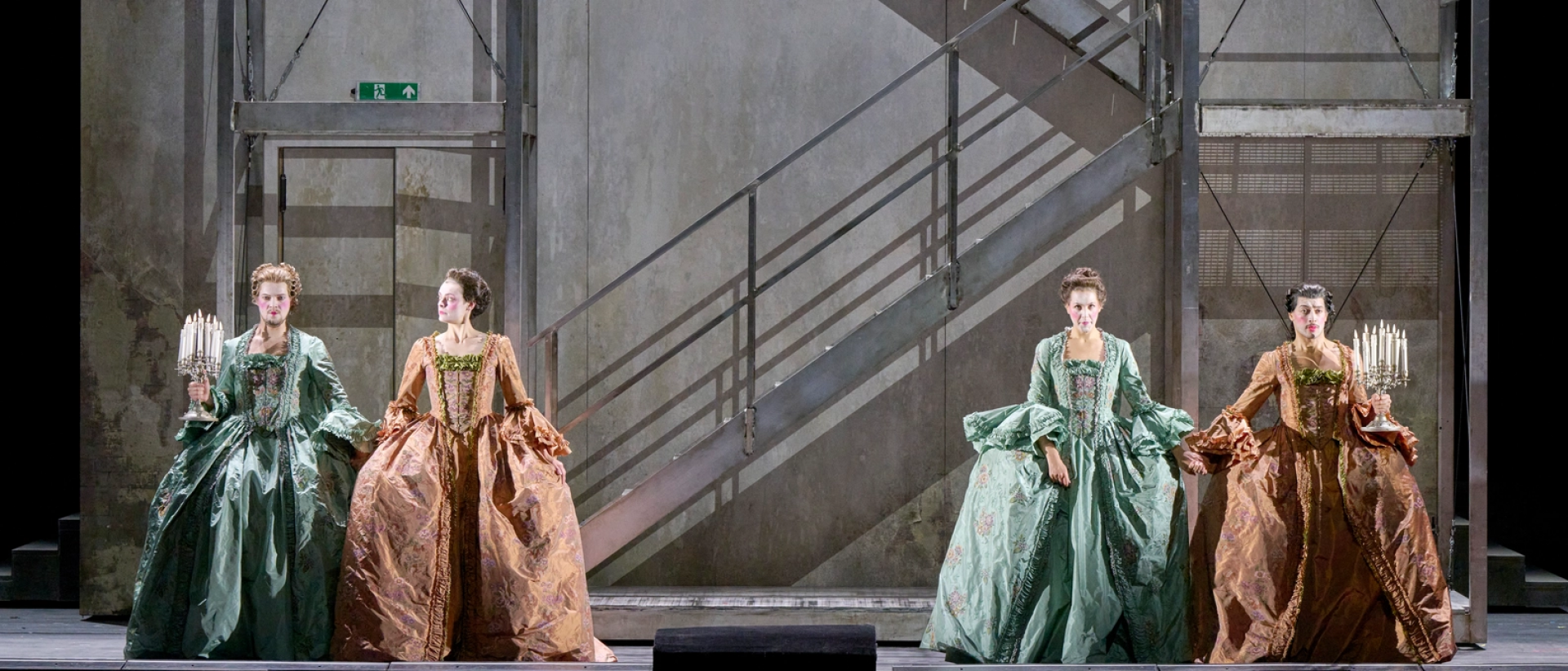
© KELLNER D. ANGELO LOMBARDI MANU
Così fan tutte
Cumpara bilete
 Iulie 2039 Iulie 2039 | ||||||
|---|---|---|---|---|---|---|
Lu | Ma | Mi | Jo | Vi | Sa | Du |
Cosi fan tutte – Wolfgang Amadeus Mozart | Operă
Dramă în două acte
Libret: Lorenzo Da Ponte
Vârsta minimă recomandată: 14 ani
Actul 1: 90 de minute
Pauză: 25 de minute
Actul 2: 90 de minute
Rezumat
Mozart și Da Ponte folosesc tema „schimbării logodnice”, care datează din secolul al XIII-lea; versiuni anterioare notabile se găsesc în Decameronul lui Boccaccio și în piesa Cymbeline a lui Shakespeare. Sunt prezente și elemente din The Taming of the Shrew de Shakespeare. În plus, încorporează elemente ale mitului lui Procris, așa cum se găsește în Metamorfozele lui Ovidiu, vii.
Locul: Napoli
Timp: secolul al XVIII-lea
Actul 1
Design de costume de Eugène Berman
Scena 1: O cafenea
Într-o cafenea, Ferrando și Guglielmo (doi ofițeri) își exprimă certitudinea că logodnicele lor (Dorabella și, respectiv, Fiordiligi) vor fi veșnic credincioși. Don Alfonso își exprimă scepticismul și susține că nu există o femeie fidelă. El pune un pariu cu cei doi ofițeri, susținând că poate dovedi într-o zi că cei doi, ca toate femeile, sunt volubili. Pariul este acceptat: cei doi ofițeri se vor preface că au fost chemați la război; La scurt timp după aceea, se vor întoarce deghizat și fiecare încercare de a-l seduce pe iubitul celuilalt. Scena se schimbă asupra celor două femei, care își laudă bărbații (duet: Ah guarda sorella — „Ah uite soră”). Alfonso sosește pentru a anunța vestea proastă: ofițerii au fost chemați la război. Ferrando și Guglielmo sosesc, cu inima zdrobită, și își iau rămas-bun (cvintet: Sento, o Dio, che questo piede è restio — „Simt, o, Doamne, că piciorul meu este reticent”). În timp ce barca cu bărbații pleacă spre mare, Alfonso și surorile le urează călătorie în siguranță (trio: Soave sia il vento — „Fie ca vântul să fie blând”). Alfonso, rămas singur, prezice cu bucurie că femeile (ca toate femeile) se vor dovedi infidele (arioso: Oh, poverini, per femmina giocare cento zecchini? — „O, sărmanii mici, să pariezi 100 de paiete pe o femeie”).
Scena 2: O cameră din casa surorilor
Despina, servitoarea, sosește și întreabă ce este în neregulă. Dorabella deplânge chinul de a fi fost lăsată în pace (aria: Smanie implacabili — „Chinuri implacabile”). Despina își bate joc de surori, sfătuindu-le să-și ia noi iubiți cât timp logodnicii lor sunt plecați (aria: In uomini, in soldati, sperare fedeltà? — „În bărbați, în soldați, nădăjduiți fidelitate?”). După ce pleacă, Alfonso sosește. Se teme că Despina îi va recunoaște pe bărbați prin deghizările lor, așa că o mituiește pentru a-l ajuta să câștige pariul. Apoi sosesc cei doi bărbați, îmbrăcați ca albanezi cu mustață (sextetul: Alla bella Despinetta — „Întâlnește-o pe frumoasa Despinetta”). Surorile intră și sunt alarmate de prezența unor bărbați străini în casa lor. „Albanezii” le spun surorilor că au fost conduse de iubire către ele (surori). Cu toate acestea, surorile refuză să cedeze. Fiordiligi le cere „albanezilor” să plece și se angajează să rămână credincioase (aria: Come scoglio — „Ca o stâncă”). „Albanezii” continuă încercarea de a cuceri inimile surorilor, Guglielmo mergând până acolo încât să-și sublinieze toate atributele bărbătești (aria: Non siate ritrosi — „Nu fii timid”), dar fără rezultat. Ferrando, rămas singur și simțind victoria, își laudă dragostea (aria: Un'aura amorosa — „O suflare iubitoare”).
Scena 3: O grădină
Surorile încă tânjesc. Despina i-a cerut lui Don Alfonso să o lase să preia planul de seducție. Deodată, „albanezii” au izbucnit în scenă și amenință să se otrăvească dacă nu li se lasă șansa de a corteja surorile. În timp ce Alfonso încearcă să-i calmeze, ei beau „otrava” și se prefac că leșin. La scurt timp după aceea, un medic (Despina deghizat) sosește la fața locului și, folosind magnetoterapia, este capabil să-i reînvie pe „albanezi”. Bărbații, prefăcându-se că au halucinații, cer un sărut de la zeițele care stau în fața lor. Surorile refuză, chiar dacă Alfonso și medicul (Despina) le îndeamnă să accepte.
Actul 2
Scena 1: Dormitorul surorilor
Despina îi îndeamnă să cedeze în fața uverturilor „albanezilor” (aria: Una donna a quindici anni — „O femeie de cincisprezece ani”). După ce pleacă, Dorabella îi mărturisește lui Fiordiligi că este tentată, iar cei doi sunt de acord că un simplu flirt nu va face rău și îi va ajuta să-și petreacă timpul în timp ce își așteaptă întoarcerea iubiților (duet: Prenderò quel brunettino"—"I îl va lua pe cel întunecat").
Scena 2: Grădina
Dorabella și Guglielmo deghizat se fac pereche, la fel ca și ceilalți doi. Conversația este extrem de incomodă, iar Ferrando pleacă cu Fiordiligi. Acum singur, Guglielmo încearcă să o atragă pe Dorabella. Ea nu rezistă puternic și, în curând, i-a dăruit un medalion (cu portretul lui Ferrando înăuntru) în schimbul unui medalion în formă de inimă (duet: Il core vi dono — „Îți dau inima mea”). Ferrando are mai puțin succes cu Fiordiligi (aria lui Ferrando: Ah, lo veggio — „Ah, îl văd” și aria lui Fiordiligi: Per pietà, ben mio, perdona — „Te rog, iubita mea, iartă”), așa că se înfurie când el mai târziu află de la Guglielmo că medalionul cu portretul său a fost dat atât de repede unui nou iubit. Guglielmo îl simpatizează la început pe Ferrando (aria: Donne mie, la fate a tanti — „Doamnelor mele, o faceți atât de multe”), dar apoi se bucură, pentru că logodnica lui este credincioasă.
Scena 3: Camera surorilor
Dorabella își recunoaște indiscreția față de Fiordiligi (È amore un ladroncello — „Dragostea este un mic hoț”). Fiordiligi, supărată de această evoluție, hotărăște să meargă în armată și să o găsească logodită. Înainte ca ea să poată pleca, Ferrando sosește și își continuă încercarea de seducție. Fiordiligi cedează în cele din urmă și cade în brațele lui (duet: Fra gli amplessi — „În îmbrățișări”). Guglielmo este supărat, în timp ce Ferrando îi întoarce înapoi excesul lui Guglielmo. Alfonso, câștigătorul pariului, le spune bărbaților să-și ierte logodnicele. La urma urmei: Così fan tutte — „Toate femeile sunt așa”.
Scena 4:
Scena începe ca o nuntă dublă pentru surorile și mirii lor „albanezi”. Despina, deghizată în notar, prezintă contractul de căsătorie, pe care toți îl semnează. Imediat după aceea, în depărtare se aude muzică militară, indicând întoarcerea ofițerilor. Alfonso confirmă temerile surorilor: Ferrando și Guglielmo sunt în drum spre casă. „Albanezii” se grăbesc să se ascundă (de fapt, să-și schimbe deghizările). Ei se întorc ca ofițeri, mărturisindu-și dragostea. Alfonso renunță la contractul de căsătorie în fața ofițerilor și, când aceștia îl citesc, se înfurie. Apoi pleacă și se întorc câteva momente mai târziu, jumătate deghizat în albaneză, jumătate ca ofițeri. Despina s-a dezvăluit că este notarul, iar surorile își dau seama că au fost păcălite. Totul este în cele din urmă iertat, deoarece întregul grup laudă capacitatea de a accepta momentele bune și cele rele inevitabile ale vieții.
Program si distributie
Octombrie 2025
Fiordiligi: Ruzana Mantashyan
Dorabella: Alma Neuhaus
Guglielmo: Markus Werba
Ferrando: Dovlet Nurgeldiyev
Despina: Isabel Signoret
Don Alfonso: Luca Pisaroni
Conducerea muzicală: Adam Fischer
Regie: Barrie Kosky
Decoruri și costume: Gianluca Falaschi
Lumini: Franck Evin
Iunie 2026
Fiordiligi: Elsa Dreisig
Dorabella: Angela Brower
Guglielmo: Peter Kellner
Ferrando: Filipe Manu
Despina: Maria Nazarova
Don Alfonso: Christopher Maltman
Conducerea muzicală: Louis Langrée
Regie: Barrie Kosky
Decoruri și costume: Gianluca Falaschi
Lumini: Franck Evin
Galerie foto
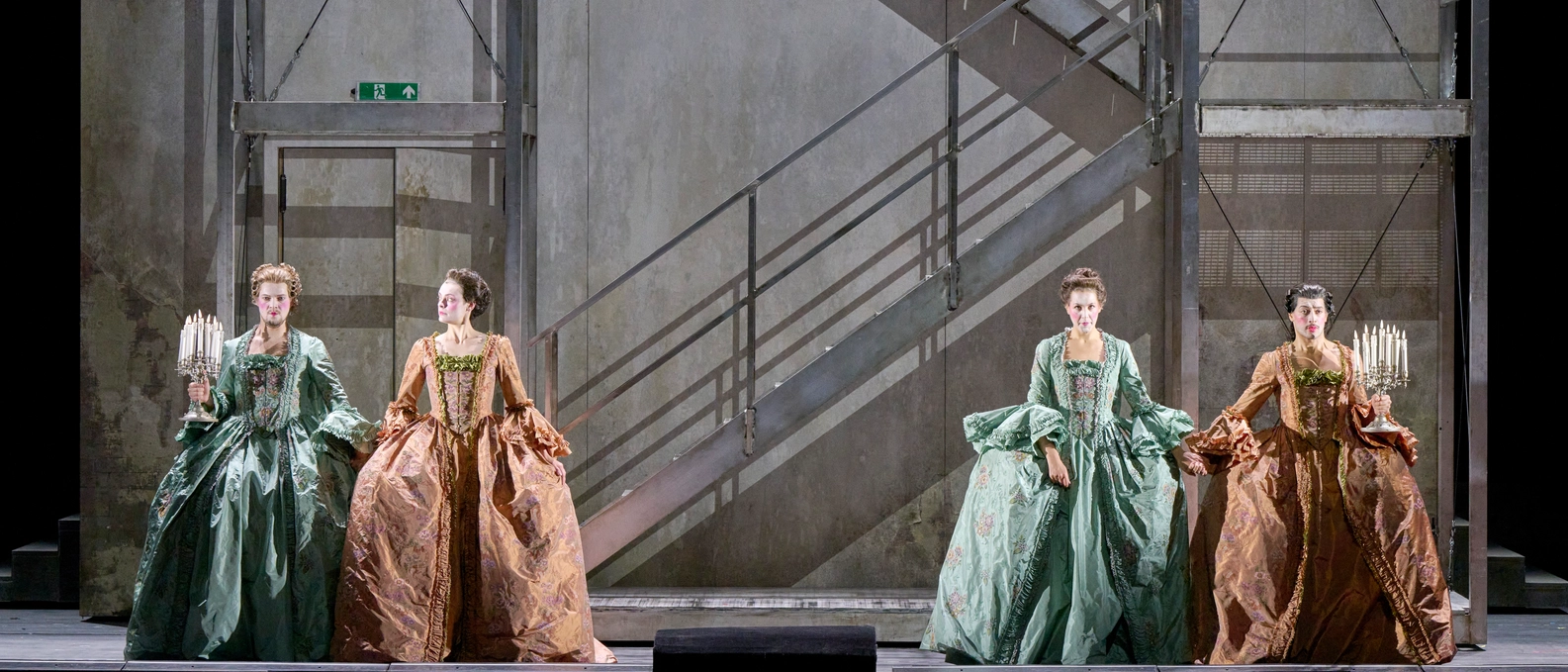
© KELLNER D. ANGELO LOMBARDI MANU
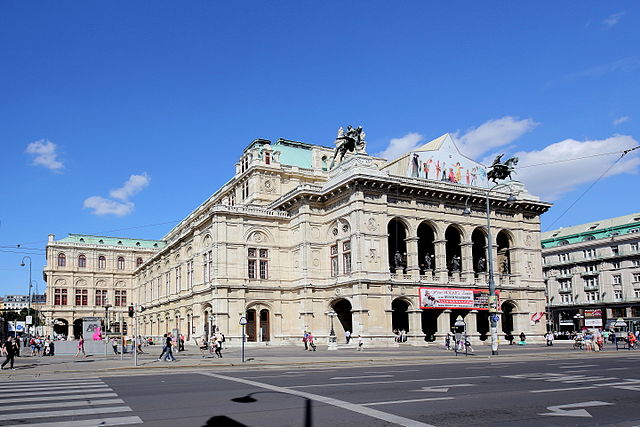
Opera de Stat Viena
As one of the world's most prestigious opera houses, the Vienna State Opera looks back on a past rich in tradition as well as a multifaceted present.
Every season, more than 60 different opera and ballet works are on the program in around 350 performances. Every evening, international stars can be seen on stage and on the conductor's podium alongside the permanent members of the ensemble - accompanied in the pit by a unique orchestra: the State Opera Orchestra, whose musicians form the orchestra of the Vienna Philharmonic Orchestra.
Today, the Vienna State Opera is regarded as one of the most important opera houses in the world, and above all as the house with the largest repertoire
Practical information
Punctuality
We ask you to arrive punctually for the performances. Late arrivals can only be admitted during the intermission. It is not possible to be admitted after intermission-during the performance.
Admission to the building for performances begins one hour before the start of the performance.
Cloakroom
For security reasons, we ask you to leave coats, jackets and bulky items such as bags or rucksacks in our free cloakrooms. Our cloakrooms are located next to the entrances on Operngasse, on the balcony on the right and left-hand side, as well as in the gallery.
As a box guest, please use the cloakroom in your box.
Program booklets
Program booklets for the performance of the day - in both German and English - are sold before the performance and during intermission by our Audience Service. Program booklets for other performances are available at any time in the opera foyer.
Cell phones
Ringing telephones, and glowing screens disturb the performance. We therefore ask you to silence your cell phones or put them in flight mode during the performance and stow them away accordingly.
Photography & video
Photography and filming during the performance is not permitted. Photography and filming for private purposes is of course permitted at the curtain callor during intermission. The use of smartphones and cameras in the proscenium boxes is prohibited throughout the entire performance to protect the orchestra from falling objects.
Dress code
Many of our guests take the opportunity to dress elegantly for their visit to the opera. When choosing your clothing, please bear in mind that you will be in close contact with other guests in the rows of seats. If you are not sufficiently dressed (e.g. flip-flops, an undershirt as a top or very short shorts), you may be refused admission.
Head coverings that obstruct the view of other guests are not permitted.
Length of the performance
When you select the date on which you want to purchase the ticket, the start and end time of the performance will be displayed. Each event may also include additional details regarding its schedule, and some even provide a complete timeline showing the number of acts, intermissions, and their respective durations.
Payment
Program booklets can only be purchased from our Audience Service by cash. Our box offices and intermission buffets accept both cash and card payments.
"I don't understand Italian"
It doesn't matter! Every seat has its own subtitle tablet, on which you can choose which language you want them to be displayed in. German, English and the original language of the opera are always included! You can choose from a total of up to 8 languages.
There are also trailers and lots of other information about the content, the music or the production, which can be found on the pages of the respective production.
Which opera is good for a first visit?
Of course, this depends entirely on your personal preferences, but experience shows that classical operas are particularly suitable for a first evening at the opera. You will be amazed at how many melodies you know! Whether from movie scenes, music lessons, a TV commercial, sports, ..
For example, the music from George Bizet's opera Carmen is very well known - not least because of its use in the Formula 1 victory ceremony.
Getting Here
The Vienna State Opera can be reached by public transport, bicycle, taxi, or car.
Public Transport Connections
Subway
U1, U2, U4 – Karlsplatz station
Streetcar
Lines 1, 2, D, 62, 71 – Opera or Karlsplatz stations
Bus
Line 59A – Opera or Karlsplatz stations
Local Railway
Badner Bahn – Vienna Opera Station
Arrival by Bicycle
Bicycle stands are located directly to the left and right of the building, providing convenient and secure parking.
Taxi
Taxi stands are situated near the opera, and cabs are available at the main entrance after performances.
Arrival by Car & Parking
Two parking garages near the State Opera provide ample parking facilities for visitors, ensuring a comfortable arrival experience.
Underground parking garage Kärntnerringgarage
Park for 10 hours for €8!
The Vienna State Opera and the ÖPARK-Kärntnerringgarage at Mahlerstraße 8, under the Ringstraßengalerien, offer the audience of the Vienna State Opera a favorable parking package.
You can park for up to 10 hours for just €8 with our evening rate from 5pm to 3am. Any hours before this must be paid for separately (€4/hour; with P-Card: €2.50/hour) To apply, go to P Card | Mein-Contipark.
The new system works simply and without a parking ticket. Simply drive into the garage. When you drive in, your license plate number is recorded and the barrier opens. When paying, all you have to do is enter your license plate number at the machine and pay. You can also pay contactless at the exit terminal with your P Card. When you exit, your car's license plate number is recognised and the barrier opens.
ÖPARK Kärntnerringgarage
A Mahlerstraße 8, 1010 Vienna
Gastronomy & Shops
Opera Café
The Opera Café is open daily from 10:00 to 18:00.
On performance days, it remains open until 22:30.
Drinks and snacks are available at the interval buffets during performances.
Souvenir Store
The Hamtil & Söhne souvenir store is located under the arcades of the Vienna State Opera, on the Herbert-von-Karajan-Platz side.
Opening hours: daily from 10:00 to 19:00.
Accessibility
Due to the historical structure of the Vienna State Opera building, accessibility conditions are not ideal. However, the venue aims to ensure that visitors with reduced mobility can attend performances as smoothly as possible.
All seating areas are accessible by elevator, and barrier-free restrooms are available.
Dedicated wheelchair spaces are provided for wheelchair users.
Wheelchair Spaces
A total of 22 wheelchair spaces are available. Four are located in the stalls and up to 18 (as needed) in the gallery.
In the stalls, wheelchair spaces are positioned on both the left and right sides of the auditorium, once near row 1 and once near row 14. Folding companion seats for these spaces are mounted on the auditorium wall and correspond to the height of rows 15–17. In the gallery, companion seats are also fixed to the wall directly behind the wheelchair spaces.
As availability is limited, wheelchair spaces must be reserved through the ticket store or the order office. For first-time reservations, prior registration with the order office is required.
Access
Barrier-free entry to the building is located on the Herbert-von-Karajan-Platz side, at the beginning of the arcades (swinging door, 87 cm wide).
The stalls and the elevator to the gallery can be reached via the inclined elevator in the opera foyer, located near the Opera Café.
The standard elevator to the gallery is positioned next to it (width 95 cm, depth 140 cm, door clearance 80 cm).
Cloakrooms, interval buffets, and wheelchair-accessible restrooms are available on both levels.
From the Best in Parking Kärntnerstraße underground garage (featuring two disabled parking spaces), Herbert-von-Karajan-Platz can be reached by elevator. The passage from the garage to the opera house is opened one hour before the performance begins and closed again once the audience has exited at the end of the event.
Additional disabled parking spaces are currently available at Helmut-Zilk-Platz 1 and Walfischgasse 1 and 6.
Service dogs are permitted.
Cloakroom
Can I take my coat with me? Where can I leave my backpack? Where is the cloakroom?
Coats, jackets, bulky bags, and other items (e.g., backpacks, suitcases, umbrellas, musical instruments) must be checked in at the free cloakroom.
The main cloakroom is located next to the entrances on the Operngasse side. Additional cloakrooms can be found on the right and left sides of the balcony and in the gallery.
Box seat holders have access to a private cloakroom directly at their box, providing a convenient and exclusive service.
Food & Drink
Enhance your opera experience with a taste of culinary elegance!
The interval buffets
For regular evening performances, the interval buffets are also open upon admission. This means guests can enjoy a drink or a snack before the performance begins.
If a table with drinks and food is to be reserved for the interval, this can be done at the buffet of choice or via the online reservation tool before the performance begins. This helps avoid waiting time during the interval and allows for more time to enjoy it.
The interval buffets are located in the Gustav Mahler Hall (during the period around the Vienna Opera Ball, the buffet is located in the annex of the Gustav Mahler Hall), the Schwind Foyer, the Marble Hall, by the gallery, in the box foyer, and in the parterre foyer.
Café-Bar-Aperitivo
In the opera foyer of the Vienna State Opera you can enjoy a wide selection of drinks, food and snacks in our opera café, Café-Bar-Aperitivo.
The Café-Bar-Aperitivo is open daily from 10.00 am to 6.00 pm; on performance days the café remains open until 10.30 pm.
Like our intermission buffets, the Café-Bar-Aperitivo is run by our catering partner Gerstner.
The café is part of our visitor center - in addition to the café, the Box offices for ticket sales.
© KELLNER D. ANGELO LOMBARDI MANU

Evenimente asociate