
 EN
EN DE
DE IT
IT FR
FR ES
ES RU
RU JP
JP RO
RO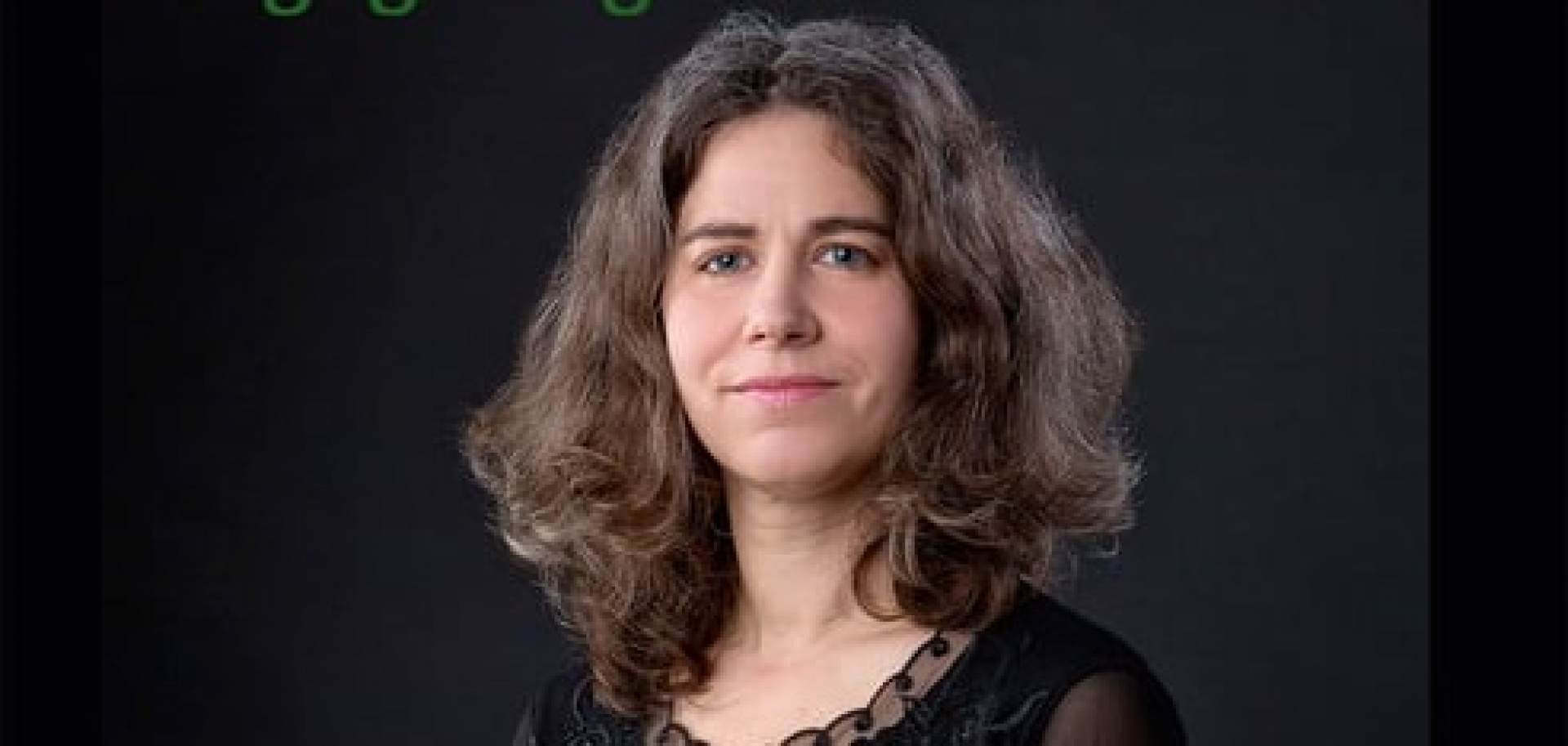
Encounters of Romanticism
Order tickets
 March 2027 March 2027 | ||||||
|---|---|---|---|---|---|---|
Mo | Tu | We | Th | Fr | Sa | Su |
Romanticism was not only an era of great musical individuality, but also a time of intense artistic exchange and mutual inspiration. The close connection and constant exchange between these composers are reflected in numerous dedications, musical quotations, and a jointly developed ideal of sound that profoundly shaped the Romantic piano style.
At the heart of this piano recital is Schumann's Carnaval op. 9, a sonic masquerade in which he musically portrays not only himself, but also companions such as Chopin and his future wife Clara.
Chopin's second Ballade, dedicated to Schumann, showcases his lyrical side, while his études are considered milestones of the piano repertoire.
Clara Schumann's Romances op. 2 and Brahms' Piano Pieces op. 118 speak of a deep artistic connection, while a related tone can also be recognized in the work of the siblings Fanny Hensel and Felix Mendelssohn-Bartholdy.
The three composers Robert Schumann, Felix Mendelssohn, and Frédéric Chopin, all of the same age, significantly shaped the musical landscape of the early 19th century. As editor of the Neue Zeitschrift für Musik (New Journal for Music), Schumann was in contact with many composers and always up-to-date on the latest developments. He recognized the exceptional talent of Chopin and Brahms early on and introduced both of them—while still in their twenties—to the public as geniuses.
Felix Mendelssohn founded the Leipzig Conservatory, where both Robert and Clara Schumann taught. Clara Schumann was the most important pianist of her time and performed her own compositions from a young age.
Fanny Hensel received the same musical training as her brother and composed numerous pieces for piano, orchestra and chamber music, but due to family resistance, she only came to public attention as a composer towards the end of her life.
Program and cast
Piano music by Chopin, Schumann, Brahms, Mendelssohn and Hensel
Renate Hudler, pianist
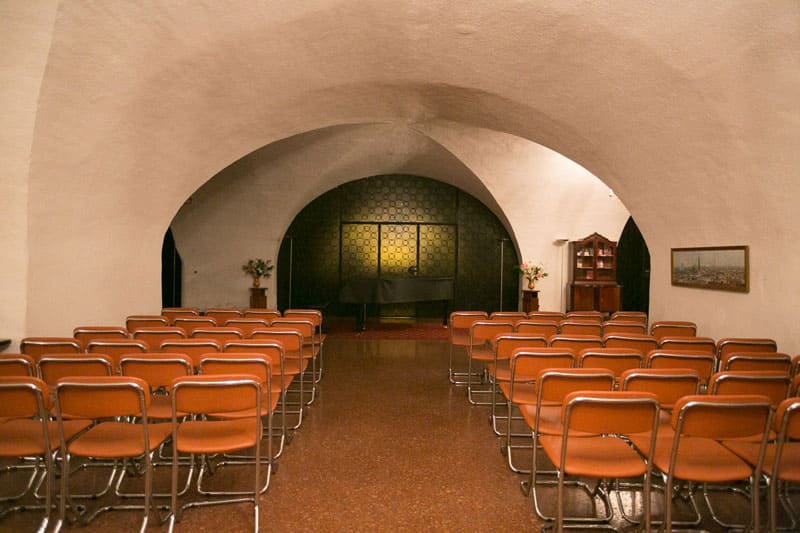
Crypt of St Peter's Church
Related events