Cast
May 5 and 6, 2026
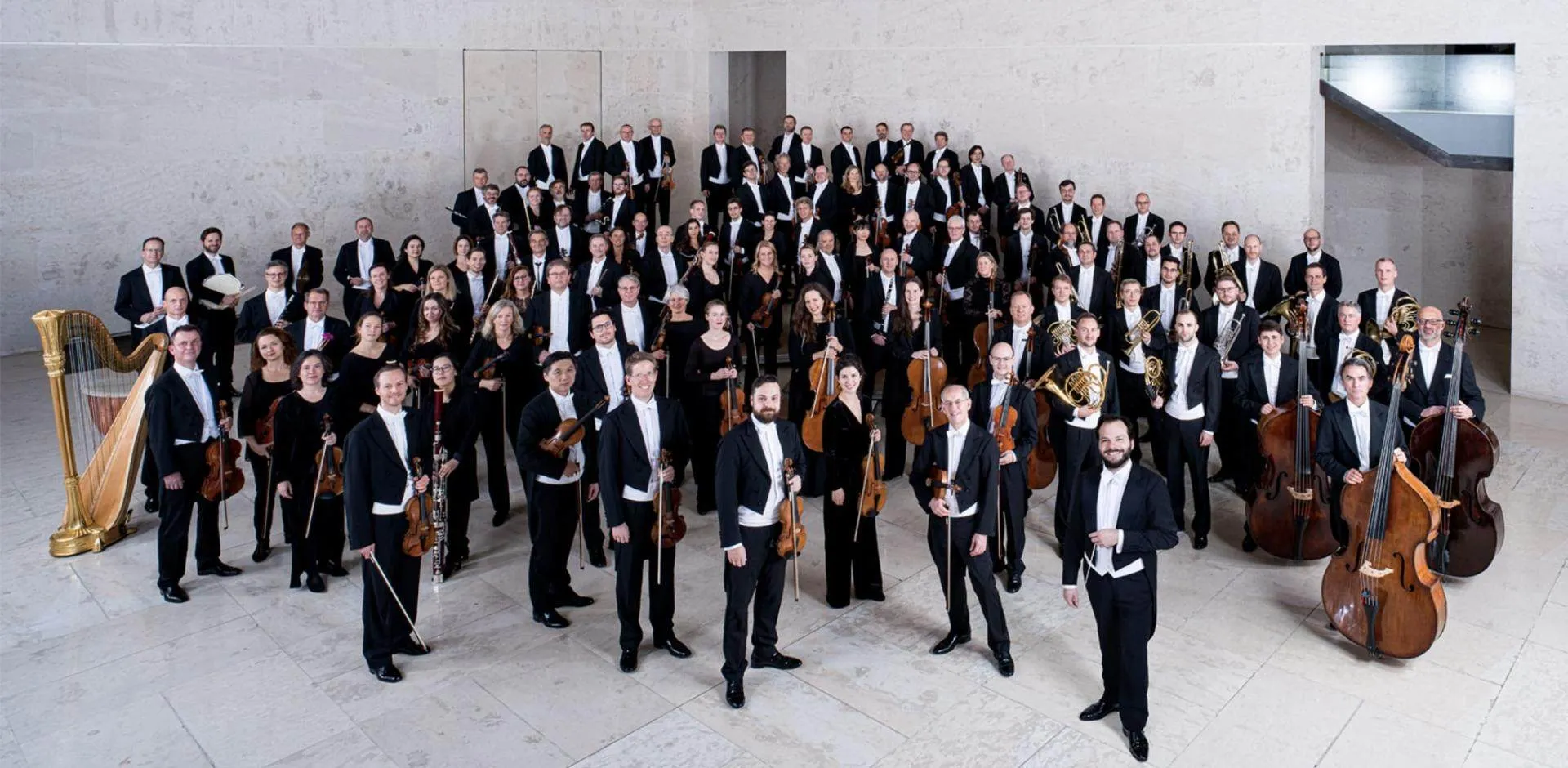
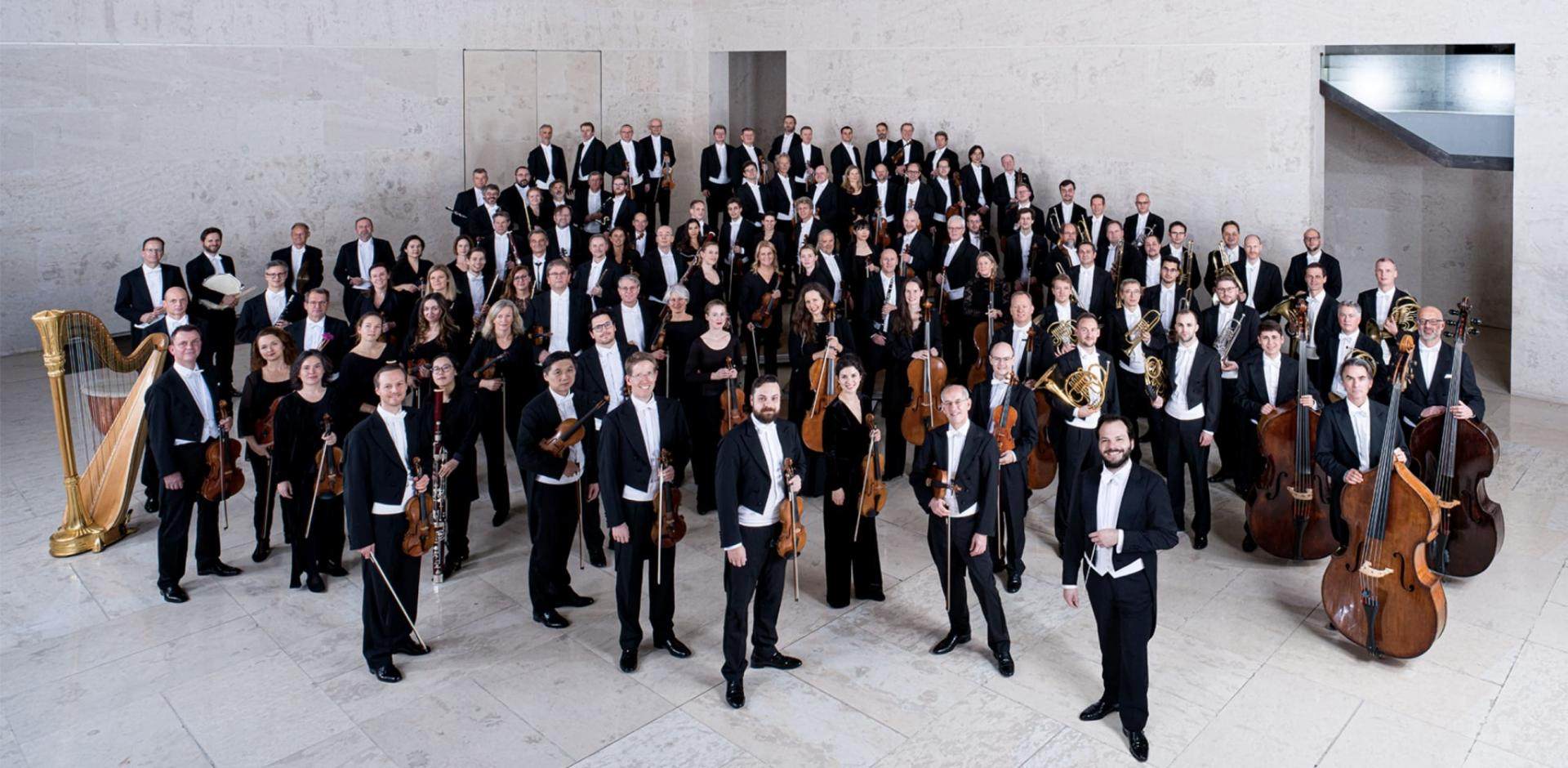
Vienna Symphony Orchestra
Bomsori Kim, Violin
Marie Jacquot, Conductor
Program
Felix Mendelssohn Bartholdy
Violin Concerto in E minor, Op. 64 (1844)
Anton Bruckner
Symphony No. 7 in E major (1881–1883)
May 18, 2026
Vienna Symphony Orchestra
Hayato Sumino – Cateen, Piano
Petr Popelka, Conductor
Program
Erich Wolfgang Korngold
Overture to a Play Op. 4 (1911)
Maurice Ravel
Piano Concerto in G major (1929–1931)
Antonín Dvořák
Symphony No. 9 in E minor, Op. 95 "From the New World" (1894)
May 19, 2026
Vienna Symphony Orchestra
Hayato Sumino – Cateen, Piano
Petr Popelka, Conductor
Program
Erich Wolfgang Korngold
Overture to a Play Op. 4 (1911)
Maurice Ravel
Piano Concerto in G major (1929–1931)
Ludwig van Beethoven
Symphony No. 5 in C minor, Op. 67 (1804–1808)
June 18, 2026
Vienna Symphony Orchestra
Petr Popelka, Conductor
Program
Franz Schubert
Symphony No. 8 in C major D. 944 "Great C Major Symphony" (1825?–1828)
June 19, 2026
Vienna Symphony Orchestra
Beatrice Rana, Piano
Petr Popelka, Conductor
After the concert in the Great Foyer:
Allegra and the Vienna Symphony Rhythm & Blues Band
Allegra Tinnefeld, Violin, Vocals
Flip Philipp, Vibraphone
Christian Löw, Trumpet
Manuel Gangl, Clarinet
Wolfgang Pfistermüller, Trombone
Hans-Joachim Tinnefeld, Double Bass
Christian Eberle, Percussion
Program
Johannes Brahms
Piano Concerto No. 2 in B-flat major, Op. 83 (1878–1881)
After the concert: Allegra and the Vienna Symphony Rhythm & Blues Band in the Great Foyer
June 21, 2026
Vienna Symphony Orchestra
Beatrice Rana, Piano
Petr Popelka, Conductor
Barbara Rett, Moderator
Program
Johannes Brahms
Piano Concerto No. 2 in B-flat major, Op. 83 (1878–1881)
Franz Schubert
Symphony No. 8 in C major D. 944 "Great C Major Symphony" (1825?–1828)
23 September 2026
Vienna Symphony Orchestra
Mitra Kotte: Piano
Katharina Wincor: conductor
Programme
Wilhelm Grosz:
Spanish Rhapsody for Piano and Orchestra (World Premiere)
Serenade op. 5
Dance op. 7
Intermission
Hans Winterberg:
Symphony No. 2
5 and 6 October 2026
Vienna Symphony Orchestra
Gridon Kremer: violin
Elim Chan: conductor
Programme
Sofia Gubaidulina:
Fairytale poem (1971)
Alfred Schnittke:
Violin Concerto No. 4 (1984)
Intermission
Sergei Prokofiev:
Excerpts from the ballet "Cinderella" Op. 87 and Suite No. 1 from "Cinderella" Op. 107 (Compiled by Elim Chan)
16 October 2026
Vienna Symphony Orchestra
Lise de la Salle: Piano
Riccardo Minasi: Conductor
Following the concert in the Great Foyer:
The Symphonic Brass Trio Hip Hop Project
Christian Löw: trumpet
Wolfgang Pfistermüller: trombone
Michael Stückler: Horn
Leo DVienne: Rap, Singing
Shemero: Rap, Singing
Jakob Winnecke: Drums
Programme
Emilie Mayer:
Faust Overture op. 46
Wolfgang Amadeus Mozart:
Concerto for Piano and Orchestra in C major K 503 (1786)
Following the concert, there will be a closing reception in the main foyer with The Symphonic Brass Trio Hip Hop Project
18 October 2026
Vienna Symphony Orchestra
Lise de la Salle: Piano
Riccardo Minasi: Conductor
Barbara Rett: Moderation
Programme
Emilie Mayer:
Faust Overture op. 46
Wolfgang Amadeus Mozart:
Concerto for Piano and Orchestra in C major K 503 (1786)
Intermission
Ludwig van Beethoven:
Symphony No. 3 in E-flat major, Op. 55 "Eroica" (1803)
2 and 3 November 2026
Vienna Symphony Orchestra
Vienna Singing Academy
Julia Lezhneva: soprano
Maarten Engeltjes: Countertenor
Julian Prégardien: Tenor
Krešimir Stražanac: Bassbariton
Ton Koopman: Conductor
Programme
Joseph Haydn:
Symphony in D major, Hob. I/104 "Solomon" (1795)
Intermission
Wolfgang Amadeus Mozart:
Requiem d-moll K 626 (1791)
20 and 22 November 2026
Vienna Symphony Orchestra
André Schuen: baritone
Peter Cinderella: Conductor
Following the concert in the Great Foyer:
Vienna Schrammel Symphony Quintet
Helmut Lackinger: violin
Alexandra Winkler: violin
Kurt Franz Schmid: clarinet
Ingrid Eder: Knopfharmonika
Heinz Hromada: Contraguitar
Programme
Gustav Mahler:
Adagietto (Symphony No. 5) (1901–1902)
The Sentinel's Night Song (Des Knaben Wunderhorn) (1892)
Rheinlegendchen (Des Knaben Wunderhorn) (1893)
Anthony of Padua's Sermon to the Fish (Des Knaben Wunderhorn) (1893)
Song of the Persecuted in the Tower (Des Knaben Wunderhorn) (1898)
The Tamboursell (Des Knaben Wunderhorn) (1901)
Where the beautiful trumpets blow (Des Knaben Wunderhorn) (1898)
Revelge (Des Knaben Wunderhorn) (1899)
Following the concert, there will be a closing reception in the main foyer with Vienna Schrammel Symphony Quintet
20, 21 and 22 December 2026
Vienna Symphony Orchestra
Vienna Singing Academy
Anna-Lena Elbert: soprano
Beth Taylor: All
Daniel Johannsen: Tenor
Tomas King: Bass
Alessandro De Marchi: Conductor
Programme
Johann Sebastian Bach:
Parts I, II, IV and VI (Christmas Oratorio BWV 248) (1734–1735)
30, 31 December 2026 and 1 January 2027
Vienna Symphony Orchestra
Vienna Singing Academy
Christina Landshamer: soprano
Catriona Morison: Mezzo-soprano
Maximilian Schmitt: Tenor
André Schuen: baritone
Manfred Honeck: Conductor
Programme
Ludwig van Beethoven:
Symphony No. 9 in D minor, Op. 125 (1822–1824)
15 and 17 January 2027
Vienna Symphony Orchestra
María Dueñas: violin
Peter Cinderella: Conductor
Programme
Wolfgang Amadeus Mozart:
Symphony in G minor K 173dB (1773)
Samuel Barber:
Concerto for Violin and Orchestra, Op. 14 (1939–1940)
Intermission
Antonin Dvorak:
Symphony No. 8 in G major, Op. 88 (1889)
12 February 2027
Vienna Symphony Orchestra
Robin Ticciati: Conductor
Following the concert in the Great Foyer:Horn players of the Vienna Symphony Orchestra
Peter Dorfmayr: Horn
Michael Stückler: Horn
Armin Berger: Horn
Joseph Eder: Horn
Eric Kushner: Horn
Markus Obmann: Horn
Georg Sonnleitner: Horn
Gregory Ray: Horn
Franz Winkler: Room
Natan Sugar: Conductor
Programme
Anton Bruckner:
Symphony No. 9 in D minor (1887–1896)
Following the concert, there will be a closing reception in the main foyer with Horn players of the Vienna Symphony Orchestra
14 February 2027
Vienna Symphony Orchestra
Alexandra Dovgan: Piano
Robin Ticciati: Conductor
Programme
Wolfgang Amadeus Mozart:
Concerto for Piano and Orchestra in C minor K 491 (1786)
Intermission
Anton Bruckner:
Symphony No. 9 in D minor (1887–1896)
25 February 2027
Vienna Symphony Orchestra
Benjamin Bernheim: Tenor
Matthew Halls: Conductor
Programme
Gabriel Fauré:
Pelléas and Mélisande. Suite, Op. 80 (1898)
Hector Berlioz:
Summer nights. Six songs op. 7 (1840–1841)
Intermission
César Franck:
Symphony in d minor, M 48 (1886–1888)
26 February 2027
Vienna Symphony Orchestra
Benjamin Bernheim: Tenor
Matthew Halls: Conductor
Following the concert in the Great Foyer: chamber music
Stefan Pöchhacker: violin
Martin Rainer: clarinet
Michael Günther: Cello
Bogdan Laketic: accordion
Programme
Gabriel Fauré:
Pelléas and Mélisande. Suite, Op. 80 (1898)
Hector Berlioz:
Summer nights. Six songs op. 7 (1840–1841)
Following the concert, there will be a closing reception in the main foyer with chamber music
5 and 7 March 2027
Vienna Symphony Orchestra
Mao Fujita: Piano
Peter Cinderella: Conductor
Programme
Toshio Hosokawa:
New Piano Concerto (2025) (World Premiere)
Intermission
Dmitri Schostakowitsch:
Symphony No. 10 in E minor, Op. 93 (1953)
11 and 12 April 2027
Vienna Symphony Orchestra
Asia Fateyeva: saxophone
Tianyi Lu: conductor
Barbara Rett: Moderation
Programme
Aaron Copland:
Fanfare for the common man (1942)
Joan Tower:
Fanfare for the uncommon woman (1992)
John Psathas:
Zahara. Concerto for Saxophone and Orchestra (2005)
Intermission
Antonin Dvorak:
Symphony No. 9 in E minor, Op. 95 "From the New World" (1894)
18 and 19 April 2027
Vienna Symphony Orchestra
Vienna Singing Academy
Natalie Lewis: Mezzo-soprano
Patrick Hahn: Conductor
Programme
Alexander Wassiljewitsch Mossolow:
Zavod »The Iron Foundry«. Machine Music op. 19 (Episode from the ballet »Stal«) (1926–1928)
Lili Boulanger:
Psalm 130 "From the depths of the abyss" (1917)
Intermission
Sergei Rachmaninoff:
Symphony No. 3 in A minor, Op. 44 (1936–1937)
30 April 2027
Vienna Symphony Orchestra
Julia Hagen: Cello
Tabitha Berglund: conductor
Following the concert in the Great Foyer: Vienna Symphony Jazz Project
Nicolas Geremus: violin
Siegfried Küblböck: Tenorsaxophon
Heinrich Bruckner: trumpet
Andreas Gruber: trumpet
Christian Löw: trumpet
Walter Voglmayr: trombone
Otmar Gaiswinkler: trombone
Reinhard Hofbauer: Bassposaune
Friedrich Philipp: Vibraphone
Ernst Weissensteiner: double bass
Christian Marquez-Eberle: drums
Programme
Benjamin Britten:
Symphony for Cello and Orchestra, Op. 68 (1964)
Edward Elgar:
Variations on an original theme »Enigma« op. 36 (1898–1899)
Following the concert, there will be a closing reception in the main foyer with Vienna Symphony Jazz Project
2 May 2027
Vienna Symphony Orchestra
Julia Hagen: Cello
Tabitha Berglund: conductor
Barbara Rett: Moderation
Programme
Ralph Vaughan Williams:
Fantasia on a theme by Thomas Tallis (1910)
Benjamin Britten:
Symphony for Cello and Orchestra, Op. 68 (1964)
Intermission
Edward Elgar:
Variations on an original theme »Enigma« op. 36 (1898–1899)
23 and 24 May 2027
Vienna Symphony Orchestra
Renaud Capuçon: violin
Peter Cinderella: Conductor
Barbara Rett: Moderation
Programme
Ludwig van Beethoven:
Concerto for Violin and Orchestra in D major, Op. 61 (1806)
Intermission
Ludwig van Beethoven:
Symphony No. 5 in C minor, Op. 67 (1804–1808)
15 and 16 June 2027
Vienna Symphony Orchestra
Philippe Jordan: Conductor
Programme
Gustav Mahler:
Symphony No. 7 in E minor (1904–1905)
 en
en 
 de
de it
it fr
fr es
es ru
ru jp
jp ro
ro





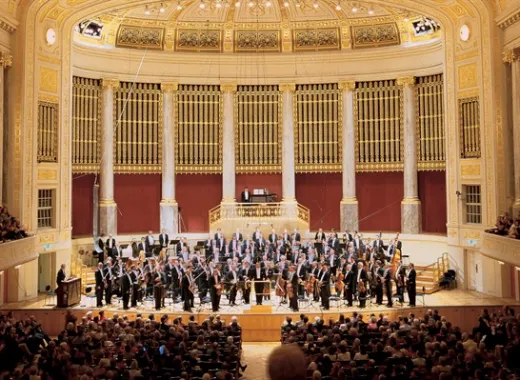
 Wiener Konzerthaus
 Wed 23 Sep 2026 - Wed 16 Jun 2027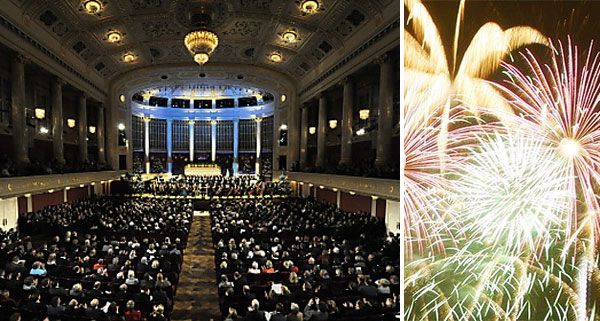


 RM Europa Ticket GmbH
  Call now
 Book now