Bach: Cantatas II – Actus Tragicus | Concert
The Bachfest Leipzig invited their audience to choose the works for two programs of Bach cantatas, filled with masterpieces: John Eliot Gardiner followed the public’s wishes by composing two programs based on these recommendations.
This second program opens with a serious meditation on death, grief, and faith, gradually rising towards hope, joy, and the promise of spiritual awakening. A sonic and theological journey, where seventeenth- and eighteenth-century German sacred music reveals all its expressive power, between Lutheran tradition and Baroque genius.
The motet Christ lag in Todesbanden is one of Johann Sebastian Bach’s very first cantatas, written around Martin Luther’s Easter chorale. It combines contrapuntal rigor with striking dramatic fervor, evoking the victory of life over death in a series of highly intense choral variations.
With Was betrübst du by Johann Hermann Schein, the atmosphere becomes more intimate. This motet sets a psalm of lament to music, expressing the believer’s anguish in the face of God’s apparent abandonment. Schein’s refined writing, influenced by the Italian madrigal, gives this text a poignant expressiveness.
The cantata Ich hatte viel Bekümmernis is a vast, almost dramatic spiritual fresco in two parts. Bach deals with the theme of affliction with overwhelming intensity before gradually bringing forth hope and trust, culminating in a final chorus of exultation. It is a work of passage, from night to light, where faith acts as an inner transformation.
After this journey through mourning and distress, Heinrich Schütz’s motet Selig sind die Toten offers a form of peace. Adapted from the Book of Revelation, this luminous motet affirms the blessedness of the dead “who die in the Lord.” Schütz’s sober elegance gives this text a peaceful and consoling grandeur.
The funeral cantata Gottes Zeit ist die allerbeste Zeit, also called Actus tragicus, is one of the pinnacles of Bach’s sacred music. Composed for a funeral ceremony, it transcends the sadness of mourning into a serene acceptance of death.
With Ich freue mich by Schein, a breeze of joy blows again. This energetic and radiant motet expresses the believer’s rejoicing in faith, in a style that combines Lutheran clarity and madrigal liveliness.
The program ends with one of Bach’s most famous cantatas: Wachet auf, ruft uns die Stimme. This work, based on Philipp Nicolai’s Lutheran chorale, is a celebration of the mystical union between soul and Christ. Balanced, inspired, full of light, it musically sums up the joyful expectation of salvation.
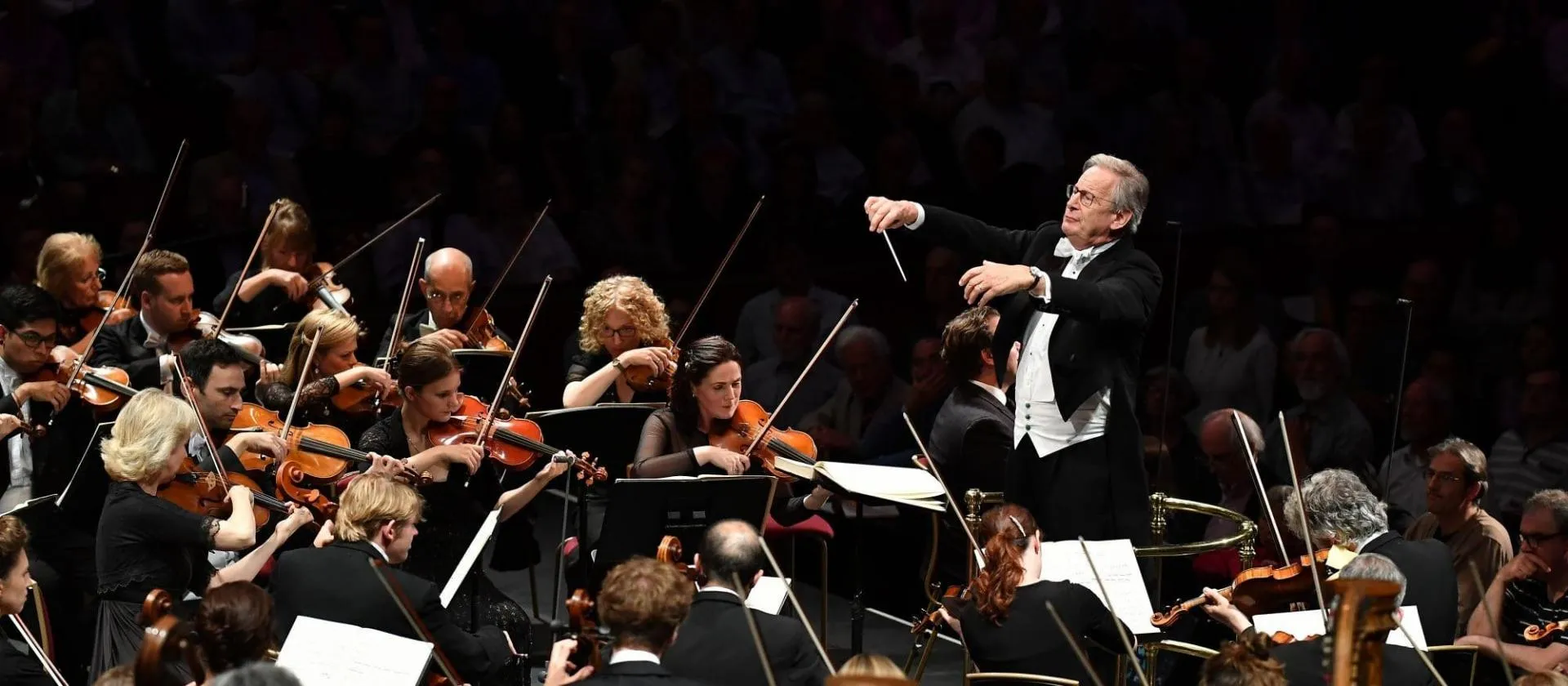
Under John Eliot Gardiner’s inspired direction, the Constellation Choir and Orchestra brings these masterpieces to life in a faithful, vibrant, and deeply inhabited performance. A spiritual and aesthetic journey, from turmoil to consolation, from shadow to light.
Prestige VIP – Best seats in the house, including a glass of champagne and the show program.
Prestige – Includes a complimentary glass of champagne.
 en
en 
 de
de it
it fr
fr es
es ru
ru jp
jp ro
ro







 Royal Chapel of Versailles
 Fri 12 Jun 2026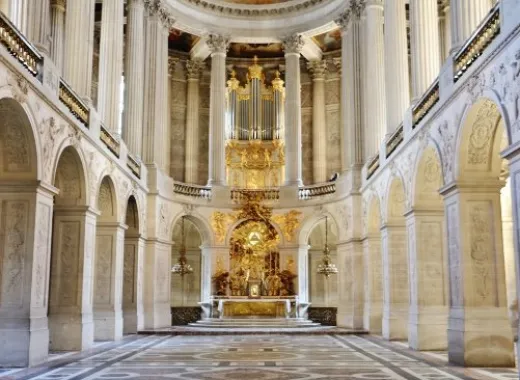




 RM Europa Ticket GmbH
  Call now
 Book now