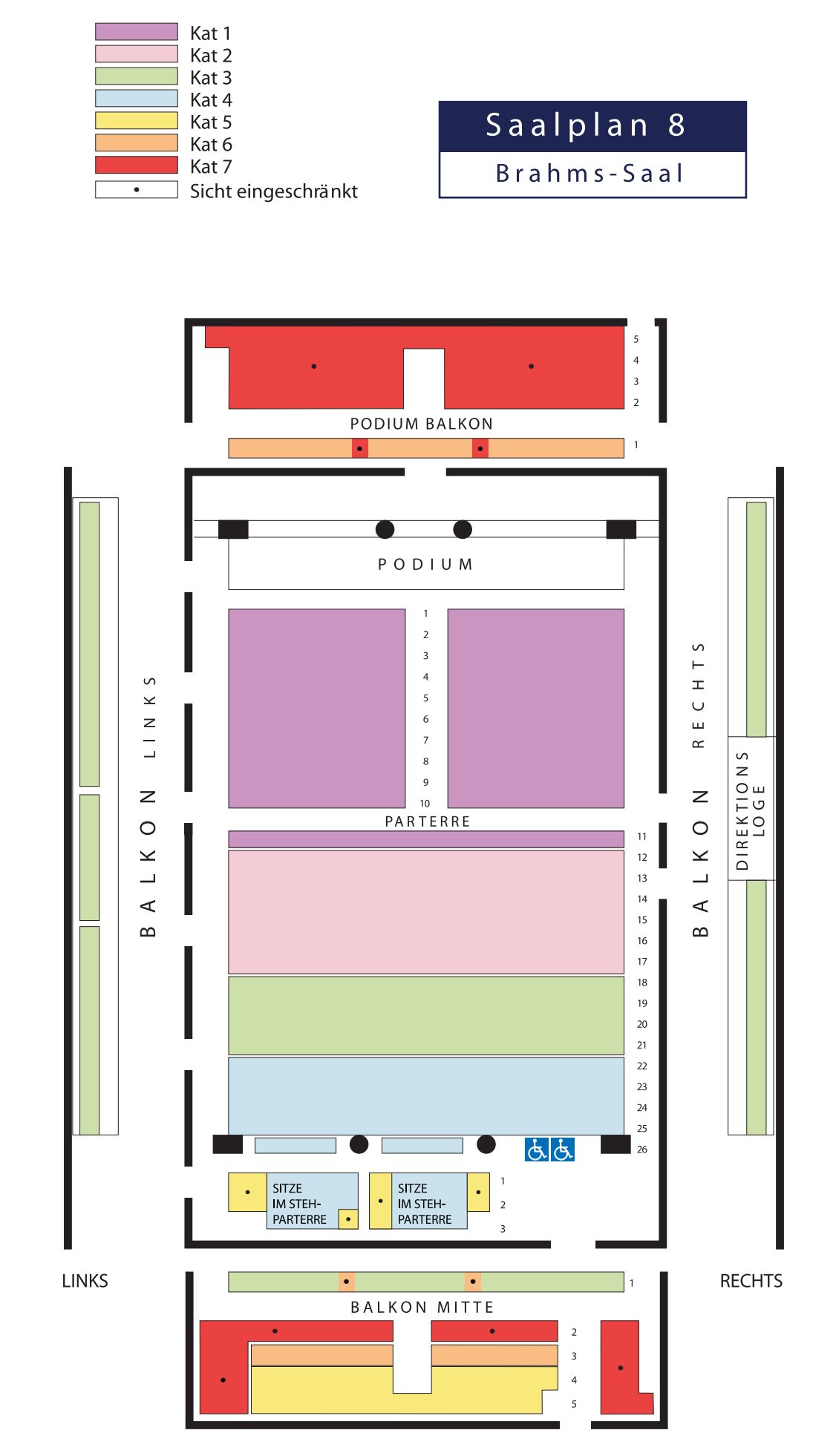
Brahms Saal - Wiener Musikverein, Musikvereinsplatz 1, 1010 Wien
Brahms Saal - Wiener Musikverein, Musikvereinsplatz 1, 1010 Wien
Brahms Saal - Wiener Musikverein, Musikvereinsplatz 1, 1010 Wien
Brahms Saal - Wiener Musikverein, Musikvereinsplatz 1, 1010 Wien
Brahms Saal - Wiener Musikverein, Musikvereinsplatz 1, 1010 Wien
Brahms Saal - Wiener Musikverein, Musikvereinsplatz 1, 1010 Wien
Brahms Saal - Wiener Musikverein, Musikvereinsplatz 1, 1010 Wien
Brahms Saal - Wiener Musikverein, Musikvereinsplatz 1, 1010 Wien
Brahms Saal - Wiener Musikverein, Musikvereinsplatz 1, 1010 Wien
Brahms Saal - Wiener Musikverein, Musikvereinsplatz 1, 1010 Wien
Brahms Saal - Wiener Musikverein, Musikvereinsplatz 1, 1010 Wien
Brahms Saal - Wiener Musikverein, Musikvereinsplatz 1, 1010 Wien
Brahms Saal - Wiener Musikverein, Musikvereinsplatz 1, 1010 Wien
Brahms Saal - Wiener Musikverein, Musikvereinsplatz 1, 1010 Wien
Brahms Saal - Wiener Musikverein, Musikvereinsplatz 1, 1010 Wien
Brahms Saal - Wiener Musikverein, Musikvereinsplatz 1, 1010 Wien
Brahms Saal - Wiener Musikverein, Musikvereinsplatz 1, 1010 Wien
Brahms Saal - Wiener Musikverein, Musikvereinsplatz 1, 1010 Wien
Brahms Saal - Wiener Musikverein, Musikvereinsplatz 1, 1010 Wien
Brahms Saal - Wiener Musikverein, Musikvereinsplatz 1, 1010 Wien
Brahms Saal - Wiener Musikverein, Musikvereinsplatz 1, 1010 Wien
Brahms Saal - Wiener Musikverein, Musikvereinsplatz 1, 1010 Wien
Brahms Saal - Wiener Musikverein, Musikvereinsplatz 1, 1010 Wien
Brahms Saal - Wiener Musikverein, Musikvereinsplatz 1, 1010 Wien
Brahms Saal - Wiener Musikverein, Musikvereinsplatz 1, 1010 Wien
Brahms Saal - Wiener Musikverein, Musikvereinsplatz 1, 1010 Wien
Brahms Saal - Wiener Musikverein, Musikvereinsplatz 1, 1010 Wien
Brahms Saal - Wiener Musikverein, Musikvereinsplatz 1, 1010 Wien
Brahms Saal - Wiener Musikverein, Musikvereinsplatz 1, 1010 Wien
Brahms Saal - Wiener Musikverein, Musikvereinsplatz 1, 1010 Wien
Brahms Saal - Wiener Musikverein, Musikvereinsplatz 1, 1010 Wien
Brahms Saal - Wiener Musikverein, Musikvereinsplatz 1, 1010 Wien
Brahms Saal - Wiener Musikverein, Musikvereinsplatz 1, 1010 Wien
Brahms Saal - Wiener Musikverein, Musikvereinsplatz 1, 1010 Wien
Brahms Saal - Wiener Musikverein, Musikvereinsplatz 1, 1010 Wien
Brahms Saal - Wiener Musikverein, Musikvereinsplatz 1, 1010 Wien
Brahms Saal - Wiener Musikverein, Musikvereinsplatz 1, 1010 Wien
Brahms Saal - Wiener Musikverein, Musikvereinsplatz 1, 1010 Wien
Brahms Saal - Wiener Musikverein, Musikvereinsplatz 1, 1010 Wien
Brahms Saal - Wiener Musikverein, Musikvereinsplatz 1, 1010 Wien
Brahms Saal - Wiener Musikverein, Musikvereinsplatz 1, 1010 Wien
Brahms Saal - Wiener Musikverein, Musikvereinsplatz 1, 1010 Wien
Brahms Saal - Wiener Musikverein, Musikvereinsplatz 1, 1010 Wien
Brahms Saal - Wiener Musikverein, Musikvereinsplatz 1, 1010 Wien
Brahms Saal - Wiener Musikverein, Musikvereinsplatz 1, 1010 Wien
Brahms Saal - Wiener Musikverein, Musikvereinsplatz 1, 1010 Wien
Brahms Saal - Wiener Musikverein, Musikvereinsplatz 1, 1010 Wien
Brahms Saal - Wiener Musikverein, Musikvereinsplatz 1, 1010 Wien
Brahms Saal - Wiener Musikverein, Musikvereinsplatz 1, 1010 Wien
Brahms Saal - Wiener Musikverein, Musikvereinsplatz 1, 1010 Wien
Brahms Saal - Wiener Musikverein, Musikvereinsplatz 1, 1010 Wien
Brahms Saal - Wiener Musikverein, Musikvereinsplatz 1, 1010 Wien
Brahms Saal - Wiener Musikverein, Musikvereinsplatz 1, 1010 Wien
Brahms Saal - Wiener Musikverein, Musikvereinsplatz 1, 1010 Wien
Brahms Saal - Wiener Musikverein, Musikvereinsplatz 1, 1010 Wien
Brahms Saal - Wiener Musikverein, Musikvereinsplatz 1, 1010 Wien
Brahms Saal - Wiener Musikverein, Musikvereinsplatz 1, 1010 Wien
Brahms Saal - Wiener Musikverein, Musikvereinsplatz 1, 1010 Wien
Brahms Saal - Wiener Musikverein, Musikvereinsplatz 1, 1010 Wien
Brahms Saal - Wiener Musikverein, Musikvereinsplatz 1, 1010 Wien
Brahms Saal - Wiener Musikverein, Musikvereinsplatz 1, 1010 Wien
Brahms Saal - Wiener Musikverein, Musikvereinsplatz 1, 1010 Wien
Brahms Saal - Wiener Musikverein, Musikvereinsplatz 1, 1010 Wien
Brahms Saal - Wiener Musikverein, Musikvereinsplatz 1, 1010 Wien
Brahms Saal - Wiener Musikverein, Musikvereinsplatz 1, 1010 Wien
Brahms Saal - Wiener Musikverein, Musikvereinsplatz 1, 1010 Wien
Brahms Saal - Wiener Musikverein, Musikvereinsplatz 1, 1010 Wien
Brahms Saal - Wiener Musikverein, Musikvereinsplatz 1, 1010 Wien
Brahms Saal - Wiener Musikverein, Musikvereinsplatz 1, 1010 Wien
Brahms Saal - Wiener Musikverein, Musikvereinsplatz 1, 1010 Wien
Brahms Saal - Wiener Musikverein, Musikvereinsplatz 1, 1010 Wien
Brahms Saal - Wiener Musikverein, Musikvereinsplatz 1, 1010 Wien
Brahms Saal - Wiener Musikverein, Musikvereinsplatz 1, 1010 Wien
Brahms Saal - Wiener Musikverein, Musikvereinsplatz 1, 1010 Wien
Brahms Saal - Wiener Musikverein, Musikvereinsplatz 1, 1010 Wien
Brahms Saal - Wiener Musikverein, Musikvereinsplatz 1, 1010 Wien
Brahms Saal - Wiener Musikverein, Musikvereinsplatz 1, 1010 Wien
Brahms Saal - Wiener Musikverein, Musikvereinsplatz 1, 1010 Wien
 en

 de
 it
 fr
 es
 ru
 jp
 ro


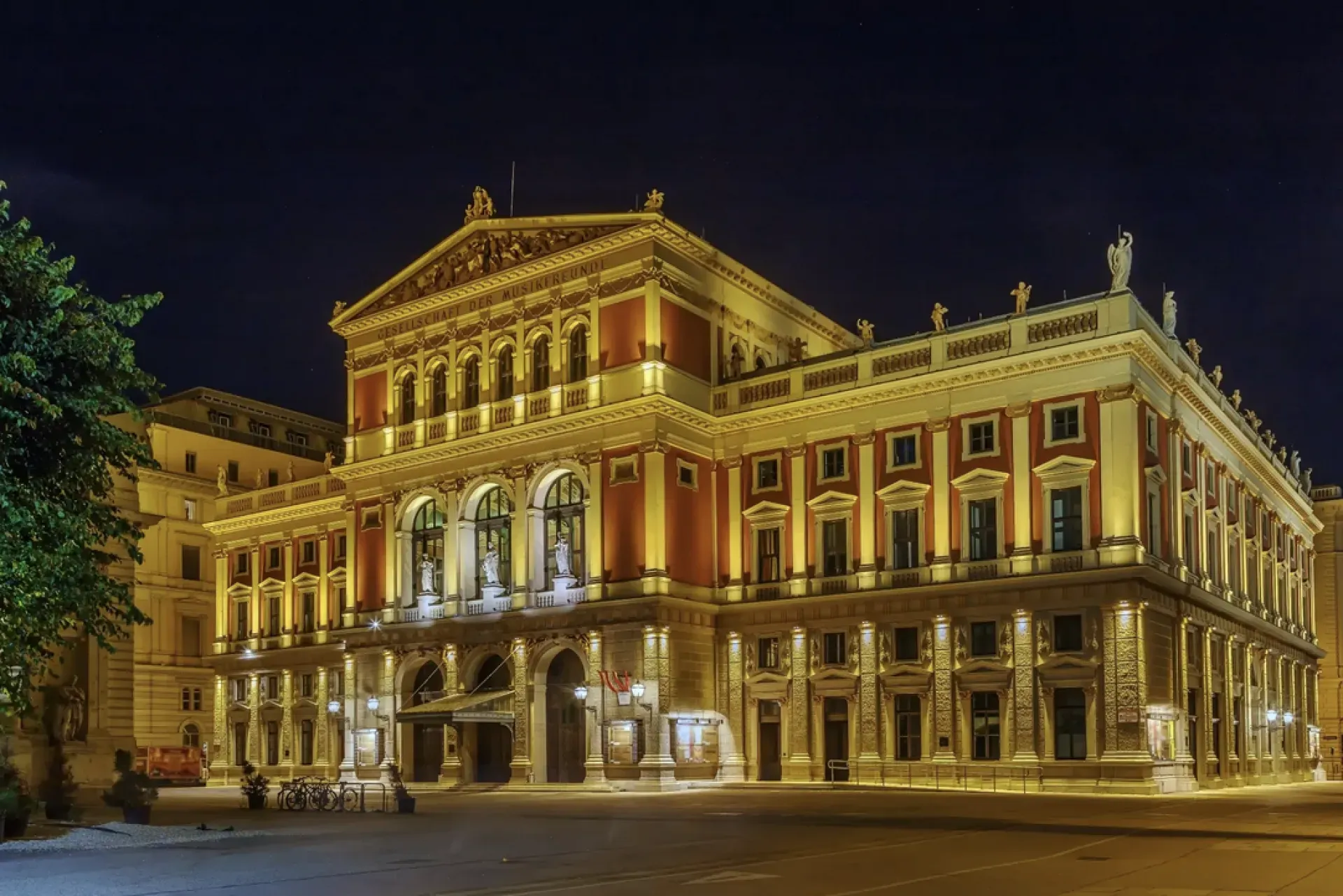
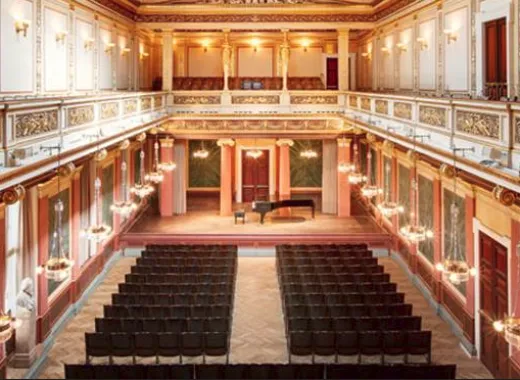
 Musikverein Brahms Hall
 Sun 22 Nov 2026 - Sun 27 Jun 2027



 RM Europa Ticket GmbH
 Call now
 Book now