



en
en v
Phone
Cart0 Tickets
Total: 0€
Account
Calendar
Search
Menu
X

Levit, Capuçon And Hagen

VenueRudolfinum
CalendarThu 20 May 2027
Synopsis/Details

1816 | 10 Variations on “Ich bin der Schneider Kakadu” 

Ich bin der Schneider Kakadu! Well, I remember these variations extremely well, because I spent thirty years in their company. It is not that I contemplated them all that length of time, but they kept coming back into my life. I first saw the Singspiel Die Schwestern von Prag (The Sisters of Prague) by Bohemian native Wenzel Müller in Vienna in 1794. But whether or not the tailor resembled a parrot, this I cannot remember!  

Variations on popular opera tunes were exceedingly fashionable at that time, so why not derive benefit from the demands of a frivolous Viennese society? I rewrote the piece around the year 1815 and made my last revisions in 1824 during my work on Missa solemnis and the Ninth. An eloquent example of my desire for perfection! 


1808 | Piano Trio in D major Op. 70 No. 1 “Ghost” 

Whenever I hear this trio, memories of Countess Anna Maria Erdődy come flooding back to me. She was so fragile! And she listened so attentively when I improvised at her salons! I called her Beichtvater (“father confessor”). It is rarely discussed, but it was she who helped to secure me a lifelong annuity and she was moreover a sensitive negotiator in this matter. In 1808 she offered me refuge in her villa on Krugerstrasse in Vienna. I might add in passing that Josef Haydn and Constanze Mozart also rented an apartment at this same address – each separately, of course! It is a pity about that little disagreement, which meant we did not part on entirely good terms. My Geister-Trio from 1808 is dedicated to her. I had originally intended to use the main theme of the slow movement as the witches’ motif in my planned opera Macbeth. This plan came to nothing, however, and so I made use of it here and the name “Ghost” has been associated with the trio ever since! 


Beethoven’s successor Johannes Brahms 

The choice of a piece by Johannes Brahms (1833–1897) for the second half of the concert is not coincidental. Brahms took Beethoven’s musical legacy very seriously and, like him, was a merciless critic of his own works: he also destroyed many of his sketches and even finished works which he did not deem worthy. According to Brahms’s biographer Max Kalbeck, the composer once uttered: “You do not know what it is like hearing his footsteps constantly behind one.” In his famous article Neue Bahnen (New Paths), published in 1853, Robert Schumann was quick to name young Brahms as Beethoven’s successor, a “prophecy” that essentially came true with Brahms’s First Symphony, a work sometimes referred to as Beethoven’s Tenth. The original version of Piano Trio in B major dates from 1853. At the Prague Spring you will hear the revised version produced in 1889, when Brahms made some relatively comprehensive changes. However, with his innate sense of modesty, he wrote the following to his close friend Clara Schumann: “I did not give it a wig, but simply recombed and restyled its hair.” Listeners will certainly appreciate Brahms’s beloved Hungarian influences in the final movement.  

Cast

Programme

Ludwig van Beethoven: 10 Variations on “Ich bin der Schneider Kakadu” Op. 121a

Ludwig van Beethoven: Klavírní trio č. 1 D dur op. 70

Johannes Brahms: Piano Trio No. 1 in B major Op. 8


Performers

Renaud Capuçon – violin

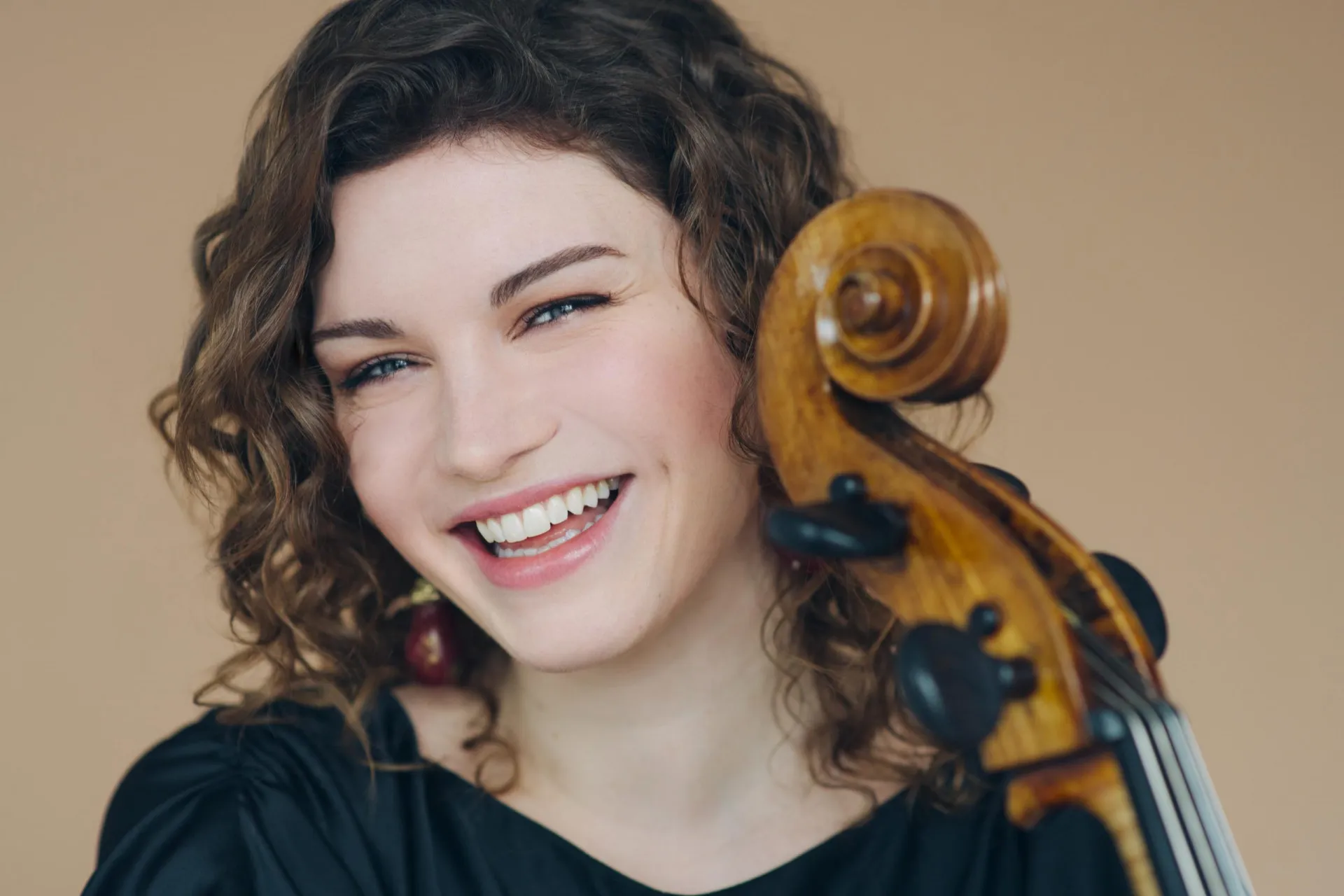
Julia Hagen – violoncello

Igor Levit – piano

Venue
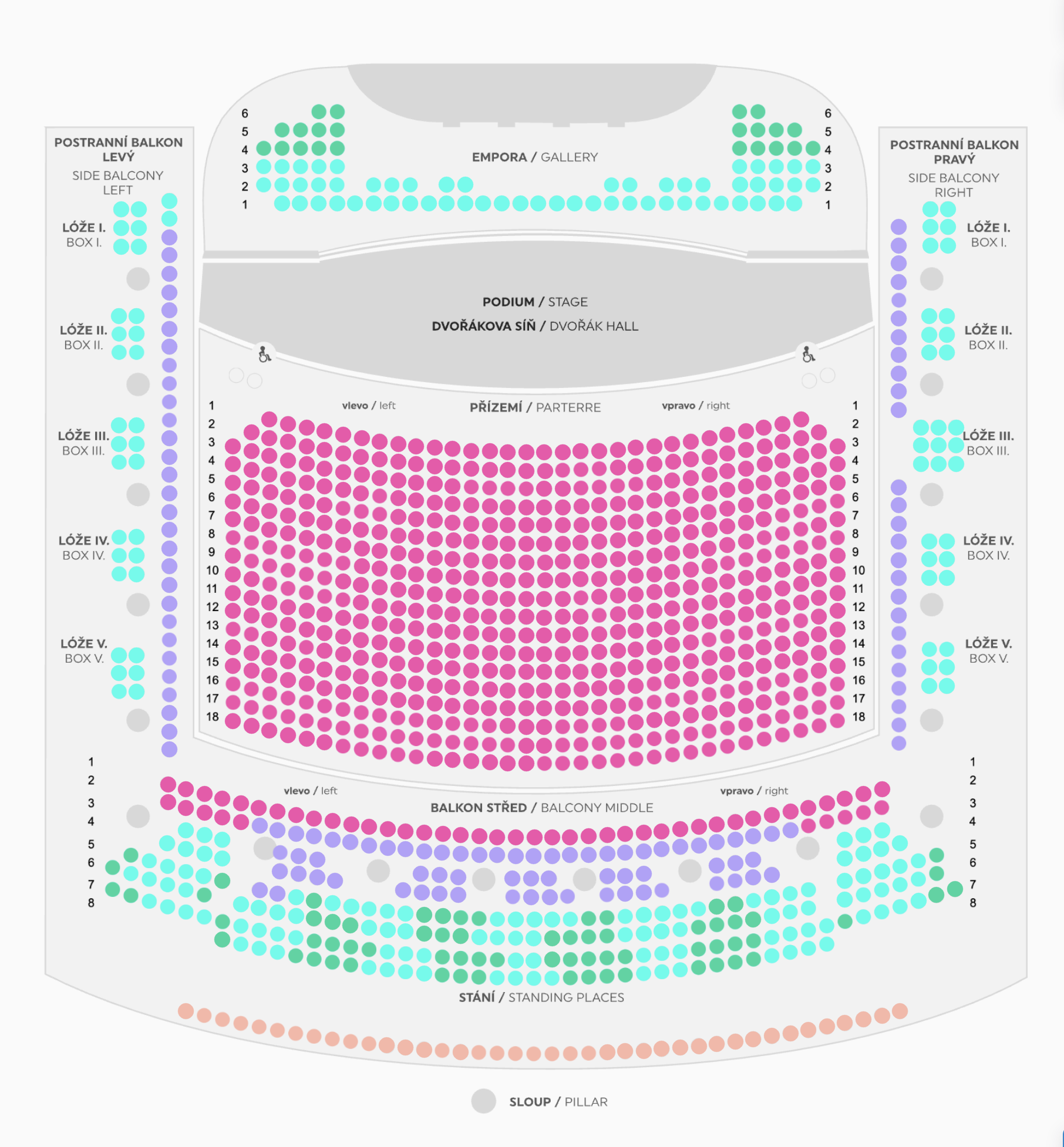
Rudolfinum

The Rudolfinum, one of the most noteworthy buildings in Prague, was built between 1876 and 1884 according to the designs of architects Josef Zítek and Josef Schulze. Originally intended as a multipurpose cultural building in Prague, the Rudolfinum was inagurated on February 7, 1885. It carried out its mission until 1919, when it was converted to the House of Commons of the Czechoslovak Republic. Concert activity was restored to the Rudolfinum during the German occupation, but full rehabilitation, particularly of the gallery, did not take place until 1992. After a general reconstruction by architect Karel Prager in 1992, the Rudolfinum became the home of the Czech Philharmonic and the Rudolfinum Gallery.


Dvorana – Ceremony Hall

The central space in the gallery portion of the Rudolfinum was designed by Josef Zítek and Josef Schulz as an entrance hall to the art gallery. After 1918, however, this space was converted into a parliamentary cafeteria, and after World War II it served as a gymnasium for the Prague Conservatory. At the end of the 1980s, Ceremony Hall was threatened with reconstruction – but plans to tear down the main staircase to make room for another concert hall did not go through, and the hall retained its original appearance. Of particular interest in Ceremony Hall are 25 empty spaces on its walls, which were originally intended to be filled in with frescos. The majority of the eminent Czech painters, however, boycotted the 1891 fresco competition in protest over the large number of German artists involved in the construction of the Rudolfinum.


Dvořák Hall

The Czech Philharmonic took the stage in this world-famous concert hall in 1896, performing for its first-ever concert under the baton of Antonín Dvořák himself. The hall remained a space for concerts and performances until 1918, at which time it became a boardroom for the new parliament of the Czechoslovak Republic. The stage and the organ loft became a tribunal (garnished with a statue of President T.G. Masaryk), from which parliamentary leaders presided over proceedings. The hall's original character (and purpose) was restored
in 1940–1942 according to a project conceived by Antonín Engel and Bohumír Kozák, and it has remained in this form through to the present. In accordance with Josef Zítek and Josef Schulz's original proposal, the central visual element in the hall is an organ, which was made in Frankfurt, Germany. During the hall's stint as a parliamentary meeting place, the organ was housed in Brno. When it returned to the Rudolfinum in 1940, its register was extended. Dvořák Hall's final update took place in 1992 when the entire Rudolfinum building underwent reconstruction.


When travelling by public transport, get off at the Staroměstská metro station (Line A), tram stop (trams nos. 17, 18 and 53) or bus stop (no. 207).
Parking is available at the underground parking facility on Jan Palach Square. The facility is not part of the Rudolfinum premises.


Accomodation

Buy now

Gift vouchers

Gift someone an unforgettable night at the opera.
Choose a gift coupon and let them pick the performance they love—music, drama, and world-class artistry, all in one elegant experience.
Official Tickets for Europe's Most Famous Opera Houses, Classical Concerts etc.
Instagram
Payment
Google Play
App Store
© 2026 RM Europa Ticket GmbH
Whatsapp